
All About Teaching Language Arts For Homeschool Moms
If teaching language arts has been a struggle in your homeschool or if you are new to homeschooling and aren’t sure where to start, then this is for you. It will be all about the nuts & bolts of learning & teaching language arts for homeschool moms.
This article is meant to encourage and prepare moms to teach language arts at home to their children using almost any program.
- My approach to teaching language arts is very loosely based on the Spalding method, which I have adapted to meet our needs as a large homeschooling family that embraces a lifestyle of learning.
- My goal is to show you how to teach yourself language arts so that you can teach your children language arts while instilling a love of learning in your children.
- You will learn how to be intentional in language arts instruction so that you are prepared and able to utilize almost any language arts curriculum to your benefit.
- You may even realize you can create your own curriculum using the simplest and cheapest materials like notebooks and pencils!
- I recommend that you teach language arts to your children by example as soon as possible, as an extension of parenting.
*This is the introduction to my Book: All About Teaching Language Arts For Homeschool Moms where you will find the complete, detailed, and very straightforward help you need to be a capable homeschool language arts teacher. Read on to get a small taste of the information available in the Book (first published in 2018, updated & expanded in 2023)!*

My Experience Teaching Language Arts
Teaching language arts has been my favorite academic part of homeschooling. Language arts has always been my favorite subject, and you could say it is a passion of mine.
I was not taught how to spell or read phonetically in public school. I was an avid reader by first grade, but I struggled with spelling and grammar.
When I decided to homeschool my oldest son, I felt quite confident. After all, I loved academics as a student, loved reading and writing as an adult, and even turned writing into a business.
I was a writer who didn’t know how to write. I was ignorant of the fact.
So, imagine my surprise when I opened our A Beka Book K4 Letters & Sounds textbook and realized I did not know the sounds of each letter! I was horrified that I knew only the most common sounds and was left scratching my head as the text directed me to teach my child two or three sounds for some letters!
Not only that, but I couldn’t answer my child’s questions about why words were spelled one way or another. I had never heard of most of the spelling rules our curriculum was introducing to my 4-year-old!
It was then that I realized that I was not taught how to spell or read properly in my early school years and that, ultimately, I had not been taught phonics. Thankfully, my mother had instilled a love of learning in me, and I had the motivation to study language arts.
I became bound and determined to learn everything I could about phonics and language arts in general. This is where my research skills kicked in.

All About Teaching Language Arts
My research and experience over the last several years of homeschooling my children have led me to believe quite strongly in starting with phonics and spelling as the foundation of language arts. I have discovered that each skill of language arts builds on each other, and as you add another skill, you continue using the previous.
You use all of your language arts skills in some capacity, as you expand your knowledge and abilities over time, but the foundational skills become second nature.
Parents unintentionally start teaching language arts through parenting, even during pregnancy. Intentional parenting is important work, and as a homeschool parent, you should include being intentional with academics (though not as important as addressing heart issues).
First, let’s define what language arts encompasses – at least for teaching language arts in the homeschool – so that you get an idea of what I will cover. The Book goes in-depth for each topic, while this is a general overview.
What Is Language Arts? Let’s Break It Down.
Definition of language arts:
noun
- 1. The study of grammar, composition, spelling, and (sometimes) public speaking, typically taught as a single subject in elementary and middle school.
noun
-
1. The method of human communication, either spoken or written, consists of the use of words in a structured and conventional way.
noun
-
1. The expression or application of human creative skill and imagination.
So, in conclusion: language arts is the study of all things to do with a language (in our case, English) and how we can communicate with it, whether through the written word (reading & writing) or spoken word (listening & speaking).
Language Arts Resources We Love

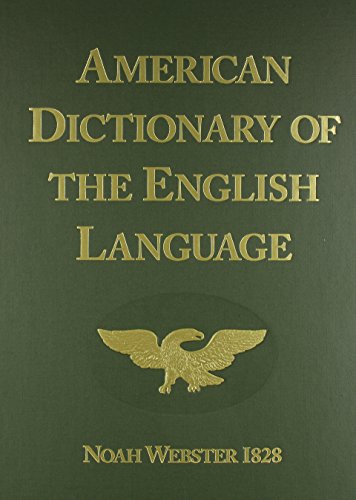
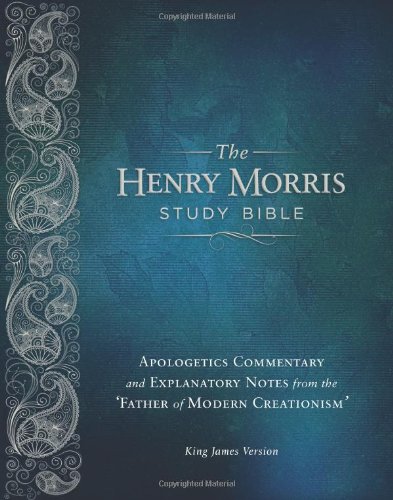
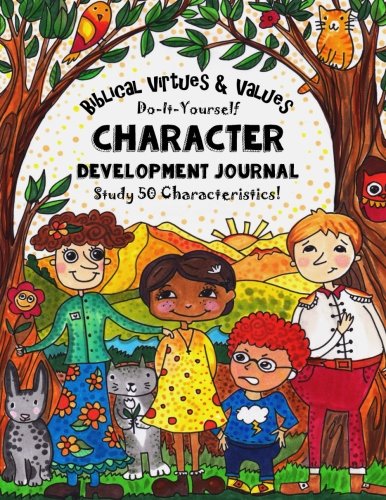
Language Arts In Real Life
As parents, we start teaching our children language arts by speaking to them throughout pregnancy, as newborns, infants, and toddlers. We have seen them mimic and repeat back to us what we say and how we say it. That is technically the beginning of language arts and it happens without us giving it much thought.
As homeschool teachers, we get the privilege to continue our language arts education at home past the preschool years. The transition is not complicated, and neither does it require a teaching degree.
I hope to encourage you, Homeschool Mom, to become confident in teaching language arts at home.
What is your biggest struggle? Feel free to leave questions & comments here, and I will do my best to address them.
Get The Book & Discover How To Teach Language Arts Now…
- How to teach pre-reading and post-reading language arts studies. A thorough understanding of all levels is important when teaching language arts to your children.
- The first 4 levels are all about prepping and laying down the language arts foundation.
- The remaining levels are all about building the walls of the language arts house.
- The “roof” of language arts is built as you use and continue to develop your language arts skills throughout life.
All About Teaching Language Arts For Homeschool Moms Book!
CLOSED – EARLY LEARNING HOMESCHOOL GIVEAWAY
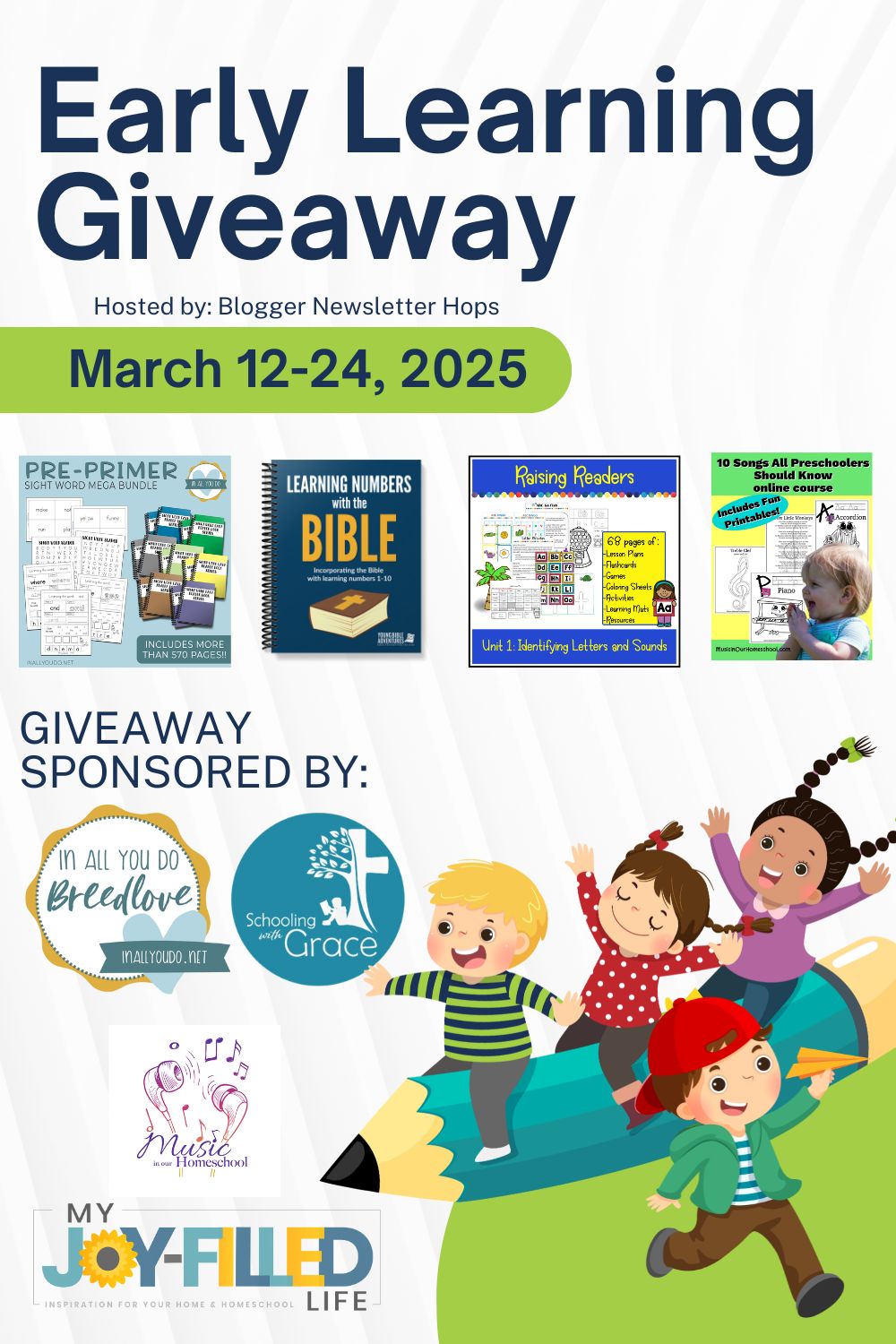
Learn more about each of the 2025 Early Learning Giveaway Sponsors
This giveaway wouldn’t be possible without our amazing sponsors! We encourage you to visit their site and take a look around at all their wonderful products perfect for homeschoolers!
Thanks to these amazing bloggers and brands that love supporting the homeschool community, we’re giving away more than $65 in Early Learning products!
 |
 |
 |
 |

Oh goodness, everything seems to be a struggle. I guess I would have to say overwhelm is the biggest issue. I keep trying and hoping everything will just fall into place. We are still struggling with phonics and spelling. My son (age 7) struggles with letter, words, and even order of words reversals. This creates frustration and confusion for him when he tries to understand why when I read a sentence one way, he sees it differently. One odd thing I’ve noticed is that it’s the smaller words (five letters or less) that give him the hardest time. Another odd thing is that I recently gave him assessment tests and he does poorly on first and second level, however breezes through third level with high scores (both Language Arts and Math). He detests copywork (my mother-in-law used this as a punishment when I was still working and she was watching him, which also caused major trust issues as she would say he was lying about it). If you have any suggestions, I would love to try them.
Hi Kryste, I am sorry you are struggling with your 7yo. I have been there with my oldest! I have so much to say about teaching language arts, that’s why I chose to write this series. This series was written specifically for the purpose of outlining what I’ve learned through experience (mistakes and all) and will hopefully be helpful to you! It is meant to show you how to implement phonics, spelling, etc. gently and intentionally through life and make formal school lessons more enjoyable. Here is the page listing all of the upcoming articles… There will be several articles that may help you. https://www.clarissarwest.com/all-about-teaching-language-arts
Being consistent from week to week.
Finding time to do all of the things we want to do and the budget to do all of the things that we need/want to do!
My number one struggle is staying patient!
I think one of the beauties of homeschooling is learning with (or just ahead of) our children. I agree, the love of learning is so important to us as homeschooling mothers – as we model it and attempt to instill it.
having a reluctant reader!
My biggest struggle is being an introvert. I can only spend so much time interacting with my kids before I am mentally exhausted. It is difficult to balance spending time with them and making sure I still have energy to listen to and spend time with my husband in the evening.
Consistency; I know that if I’m consistent in teaching everyday, I can achieve my goals for them. But I get worn out. I always get back up again, I just need to endure a little longer.
It’s all a struggle but so worth it.
My biggest struggle is teaching different learning styles at the same time.
I would say my biggest struggle is being an introverted homeschooling mom of a special needs child. Having someone who needs so much constant attention from me (plus another child who also need attention) all day, every day is so draining on my solitary personality. It is hard for me to find the time to rejuvenate myself in meaningful ways.
I guess my biggest struggle is guarding my morning worship time. Without that, the day falls apart, it seems. Also, I’m trying to move away from the “school at home” mentality (all I’ve ever known, having been schooled growing up), and toward lifelong learning in everything we do… all day long. It’s tough to un-learn this, and realize that there’s a better way. But, with help from you, and others like you, it is being done!
I find scheduling to be a challenge. Sometimes there are unique activities during the summer that happen for one week or two that change the whole schedule around and it is hard to stay on track and fit everything in that I’d like to fit in.
After 10 years of homeschooling, I can honestly say that the biggest struggle is that I still don’t end up with enough years with my children. The time goes by too quickly.
I struggle with planning.
I struggle with picking a curriculum.
Balance between school, housework, errands, ….
Money, time, and dealing with pain daily.
Our biggest struggle is juggling home, health issues, farm/homestead and school.
It is really too early for me to be struggling yet. My little one is 3. But there is lots of good advice here!
I mostly struggle with funding curriculum and all the fun extras.
My biggest struggle is balancing school time with all of my other responsibilities.
I learned phonics from very early on so it was just natural to me to teach my kids phonics from as early as two years old. My difficulty is that we are a bilingual family, so it’s tricky of when to introduce the phonics of Spanish without confusing the kids.
Teachjng my kids to read
My biggest struggle is getting it all in each day. With a 3 year old and 17 month old twins running around, homeschooling during quiet moments is almost impossible because there are few quiet moments we’ve learned to embrace the chaos
My struggle is being consistent and I worry that I’m not teaching my children everything they should be learning.
Organization and finding a routine/rhythm that works
I’m struggling with finding the energy to homeschool since I just lost a baby in the first trimester. (We hadn’t told the kids we were pregnant). God is so faithful to strengthen us when we’re feeling weak, though, so just trying to give myself grace and get the essentials done & let the rest go.
Our struggle has been finding a routine that works for us. I have twins, so they do most things together. I would like to find ways to give each of them some one-on-one time as well.
Right now it is getting my 7 y/o to read. She loves to be read to and listen to books on cd but when it comes to reading herself it’s a battle. 🙁
My struggle is time management and staying ‘cool’ when things are not going as expected.
My biggest struggle is with my 12 y/o son, he detests writing in any form, even just answering simple questions. He would rather write a quick 2 or 3-word answer. My other thing is my 14 y/o daughter puts off math as long as she can and typically gets herself a week behind calling for a massive catch -up on her part. She just doesn’t like math.
planning and finding *quality* time is hard – we have a little 7 week old that needs lots of things often and a toddler with a short attention span so it’s a tricky time right now!
My number one struggle has been keeping school going when life gets crazy. I work seasonally and keeping on schedule was tough.
#1 struggle right now is distraction
Our biggest struggle right now is finding a routine that works well for us as my husband has a really crazy work schedule with rotating shifts and rotating days off.
Language arts is not one of my strong subjects to teach my granddaughter. After all of your advice and knowledge I am sure I will excel at it.
I have 2 big struggles. #1 I’m not consistent in homeschooling. We do good for a couple weeks then we don’t do school for several weeks and it’s just a big mess. #2 Is I love curriculum. So I keep researching it. Then I find one I think will work better and we end up switching and wasting time and money. I’ve already bought next year’s school work. We are starting soon. I am forcing myself not to look at other curriculum and to focus on the work we have.
staying on schedule would be the toughest especially when trying to fit in all the extras outside the home
My dd is a reluctant reader although shes getting better. I believe we haven’t found our niche yet. It gets frustrating because you want to find a style that brings them joy and you put lots of time and effort and then the reaction is meh….BUT I wont give up that easily. 🙂
I have a reluctant reader. Looking forward to this series.
My #1 struggle in homeschooling is feeling that I am teaching my girls enough to succeed in life. To help me with this anxiety, I have started implementing biblical character and life skills training to our “curriculum”.
Teaching writing and grammar. The mechanics of it is daunting to me.
I love that I have options for curriculum, but it often feels like there are too many choices. Which one should I choose? Is this one cheaper? Will this one work with my child’s personality? What am I forgetting? I’m sure I am leaving out some part of the curriculum that is important. Sometimes it is hard to step back and see the big picture – I am not going to ruin my kids by making this choice!
I struggle daily with the task of what to teach, and even HOW to teach. I’m trying to teach 3-5 the same things and I find it challenging to decipher what CAN be taught to all of them. I am constantly changing approaches, but I’m determined to keep my current approaches in place until they are completed. Lol. Thank you for the Language Arts article— I have been lacking in this area and hope to pick it up very soon.
MY biggest struggle is trying to keep school on task with my own chronic illness, and a child with both dyslexic issues and emotional issues… Whew!!
I struggle with the balance between schooling my two and keeping up with our home.
I think the hardest part for me is making sure I’m paying enough attention to each child’s educational needs. I have one who is very independent (yay!), but I tend to not pay close attention to her work. And I have one who needs a pretty quiet work environment, and two soon to be three loud littles.
Thanks for sharing your journey and all you’ve discovered about language arts. I think our biggest struggle in LA is spelling.
It’s something I’m committed to focusing more on this year.
Are there any language arts resources you recommend for a high school student who aspires to be a writer?
Grammar for Writers and Creative Writing – both courses from Compass Classroom >> https://affiliates.compassclassroom.com/idevaffiliate.php?id=187
I’ve started planning as far as picking what we want to use but not actually planning out the year. I need to get on it!
Thank you for all the amazing information you share. This will be our third year homeschooling and you have truly helped me tremendously on staying on track and finding the right resources, again, thank you!
This is so helpful!
Thank you for sharing your thoughts on language arts. A good foundation in language arts is so important. One of the things that really helped our kids was reading a lot. Avid reading even helped one of our kids improve in spelling. The more they are surrounded with good literature and rich language, the more they will internalize in a natural way.
My biggest struggle is getting my boys to love writing. My daughter loves to write, but my boys don’t at all!
How do you get a child interested in reading? I am struggling with motivating my nephew and he is behind in his language skills.
Some things would depend on his age, but for any age, reading out loud to him (every day) to get him interested and excited about books is a great place to start!
The struggle is real! LOL with 7 kids 9 and under and no twins in there…. Being able to focus time on each child’s needs for learning is a challenge as we go through our days. Add in that baby 7 is a heart kid with lots of doctor visits thrown in the mix and it makes life very fun 🙂 We hope to go to a 4 day school week, this year, so we can free up a day for errands appts, etc..
I would love to shout what you said about phonics from the housetops! Having formerly worked in daycare with after school kids up to grade 6, It was a shock how many kids couldn’t read well due to learning only sight words vs learning the phonics. Thanks for the post!!
Homeschooling definitely has it’s struggles at times especially with a child who has disabilities. It’s not always easy but believe it or not these are some of the best years of your life!
I’ve been homeschooling a long time. It’s always a challenge to learn how each of my children learn best. I’ll probably have it figured out by the time the last one graduates. 😉
Thanks for ALL your wisdom to help us all as we homeschool our kids. in language arts and everything.
I can’t wait to check out your new book! My biggest struggle is working full-time in a demanding job while teaching completely different styles to my children. My oldest has loved to read and has been spelling like a pro since preschool and the other only likes to read what she wants to read and struggles to stay engaged if it’s not something she is interested in and truly struggles with phonics and spelling. I bet your book will give me great tips for my youngest.
When you have 3 different learners with their particular learning style, it can be a challenge as I have been dealing with this alot. But I am up for the challenge and I love the fact that we are all learning what is best for each other so that we will be able to all work together. Thank you for sharing this article! It was very helpful!
Thanks for the article, it is helpful to hear something about teaching language arts in a more natural way that covers things more thoroughly it sounds like.