
We use living science resources with our children in the early years as a gentle method while preparing them for more in-depth science in middle/high school. We focus on the life cycles of animals, the seasons, the weather, and all of “nature” with our elementary-aged children – without using any specific curriculum – for an introduction to upper-level science.
This homeschool science article is sponsored by CollegePrep Science.
Use CollegePrep Science starting in middle school!.

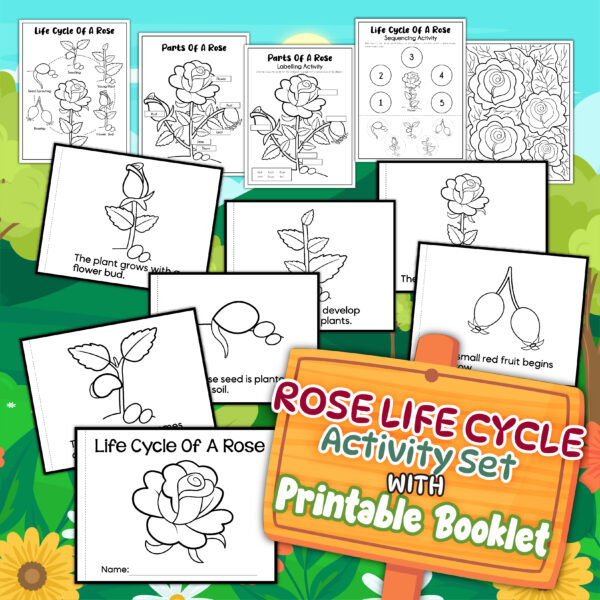
FREE ROSE LIFE CYCLE ACTIVITY SET WITH PRINRABLE BOOKLET PDF
 What is “Living Science”?
Living Science (to me) is teaching through real-life experiences, hands-on projects, literature (fiction/non-fiction), and creative activities that inspire young children’s natural curiosity to explore science. We don’t even need to call it “science”, but it is the kind of science elementary-level children will enjoy. We do not use boring textbooks with worksheets/quizzes at this age.
SCI’ENCE, noun [Latin scientia, from scio, to know.]
1. In a general sense, knowledge, or certain knowledge; the comprehension or understanding of truth or facts by the mind.
These are ideas for teaching science through art lessons, easy-to-read textbooks students can read on their own, living books that make great read-alouds, DVDs, and resources on animal life cycles (easy for us to teach on our farm). If your children are entering middle school or high school, you’ll want to check out the sponsor of this homeschool science article for pre-college science and math classes available live or self-paced (more info at the end of this article).
I am not a “science person”. However, I am excited to have found a way to make science work for my teaching style with my younger children by using a literature and arts approach – while preparing them for higher-level science/lab classes that I can enroll them in online for more advanced studies!
Some of Our Favorite Nature-Study and Animal Science Resources For Young Children
 Living Science Resources
- Use textbooks that are full of colorful photos, short descriptions, and detailed facts listed separately from the main content, and are written in a conversational style.
- Read literature that teaches about nature through fictional stories. Although the story may not be true (such as talking animals, etc.), there is science woven into it, causing children to be intrigued by nature and animals.
- Keep reference-style books readily available for when a child has questions about a specific tree, animal, or insect.
- Documentary-style nature videos made for children are always a hit with my children. Several Christian-based science companies are creating these now, and it’s awesome.
- Keep nature journals/blank notebooks on hand and encourage your children to draw, sketch, or write about what they discover in nature.
- Use art lessons that focus on animals and nature. This is great for artistic children to get some science lessons done while doing what they love.
- If you have a science-loving child, consider enrolling them in online classes for in-depth studies.
Books for Living Science
Thornton W. Burgess adventure series is delightful and full of character. They are secular, but the habitats and behavior of the animals are very interesting – a great introduction to nature and animal science for young children.
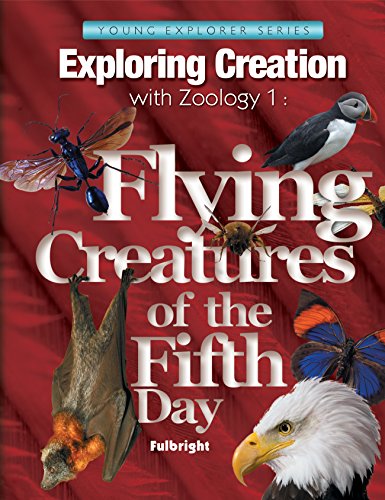
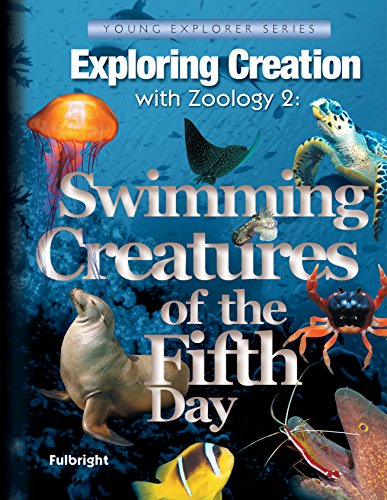
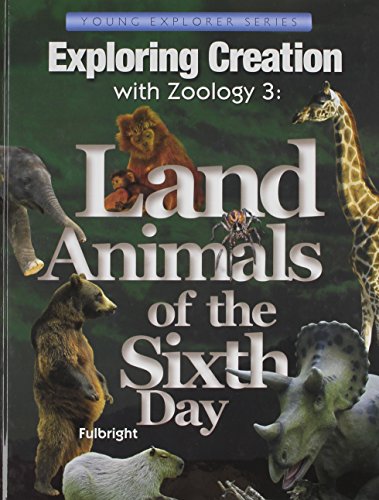
Apologia has science textbooks that are very easy for elementary children to read on their own – and interesting enough that they want to! I have slowly added to our collection of Apologia science books, and the zoology series is one of our favorites. I often read from the textbooks with my children on our science days, but keep them readily available on our bookshelves for the children to explore whenever they want to. Often, when they encounter a new insect, plant, or animal, they will turn to our Apologia textbooks to learn more about them. Use code: clarissa10 to save 10% on your entire order!
These Pocket Books are packed full of facts and colorful photos of animals. They are super affordable and great to have on hand for all of your child’s questions.
Handbook of Nature Study is a reference guide. It is especially well-suited for teachers or high school students. It is a very comprehensive guide to nature study.
The Year at Maple Hill Farm is a great way to study the seasons and animals with younger kids. I love that it is all about farm life!
Christian Liberty Nature Readers books are referenced throughout the year and are often what I read on our science days. These are great Christ-centered science books!
Mixed-Media Science
Buddy Davis’ Amazing Adventures: Swamp Man! is a great DVD about the swamp and the creatures that reside there. Buddy sings some original songs and points the viewers to our amazing Creator! His entire series is really good, and we own all of them.
Nature Journals are a great way to let the kids record what they learn through pictures, art, and words. We just use blank notebooks, but there are a lot of cute, ready-made nature journals available to purchase. These are perfect for a Charlotte Mason homeschool method (a style I find myself becoming more and more drawn to through the years).
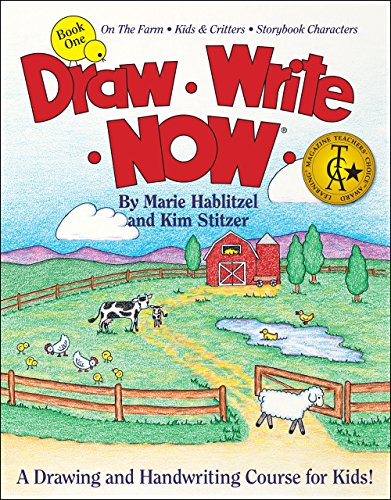
Draw Write Now Book 1: On the Farm, Kids and Critters, Storybook Characters is perfect for centering our art lessons around animals! We also use these handy art workbooks for the kids to draw and record their copywork.
Mike’s Inspiration Station DVD series has several art lessons on drawing animals in various formats (cartoon, charcoal, pastels, watercolor, etc.). We own and love his entire 12-DVD series!

Combining these resources over several years creates a rich living science approach for young children. We do not use all of these every day or even every week, but we do typically focus on something science-related two days per week in a structured setting during our morning time.
I find that life science and nature-study science introduce children to the joy of science and spark their interest in biology, anatomy, physiology, chemistry, and physics. Their curiosity grows, and they are prepared (excited) to dive into higher-level science classes when they enter middle/high school grades!
About The Sponsor: CollegePrep Science
CollegePrep Homeschool Science & Math Live Online Classes are Christ-Centered Classes for 6th-12th Grade Homeschooled Students – including Pre-Biology, Pre-Anatomy & Physiology, Pre-Chemistry, and Pre-Physics.
The Interactive Virtual Science Labs are a 1 Year Self-Paced Lab Subscription for 6th – 12th-grade homeschooled students. These are very realistic, very interactive, self-paced virtual labs with instructional videos that 6th-12th-grade students love and can perform from the convenience of home.
Get All the Buddy Davis Science Resources!
Buddy Davis’ Cool Critters of the Ice Age
Buddy Davis’ Amazing Adventures: Extreme Caving
Buddy Davis’ Amazing Adventures: Swamp Man
Buddy Davis’ Amazing Adventures: I dig Dinosaurs!
Buddy Davis’ Amazing Adventures: Ice Age
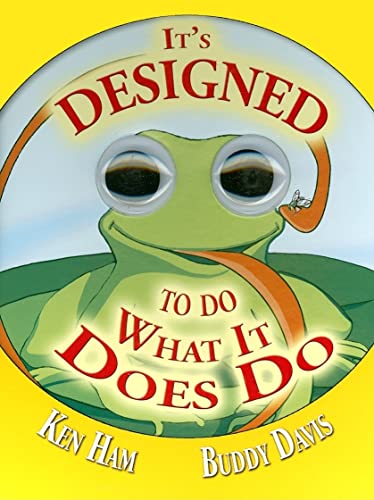
It’s Designed to Do What It Does Do
Buddy’s Crazy True-Life Adventures
Animal Kinds: Sing & Learn Along with Buddy Davis
The Creation Adventure Team – Six Short Days, One Big Adventure




Sounds well rounded 🙂